

Kiwi Spotting in New Zealand
The kiwi bird is a cuddly brown icon, which many take for granted they will see sometime while travelling in New Zealand. In reality, it is one of many native species which is very endangered since explorers and settlers brought mammalian predators to our once bird-first island nation.
Broadly, there are three ways to see kiwi in New Zealand: through hands-on conservation programmes, in specialist nocturnal houses, or after dark in wild habitats.
Up Close with Conservation
Some of the most interesting ways to see these birds are by linking up with the organisations involved in protecting them.
Behind the scenes Kiwi Hatchery
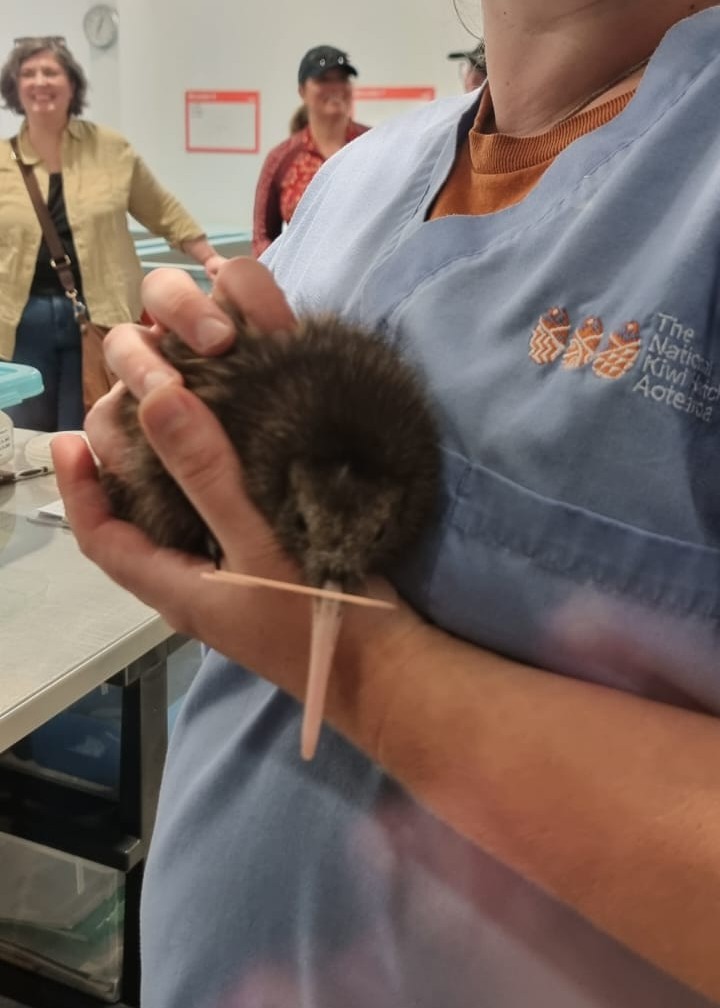
Ahipara’s most booked Kiwi Experience is at the National Kiwi Hatchery. The hatchery is a charitable organisation at the frontier of protecting and growing New Zealand’s kiwi population. Most kiwi who hatch in the wild do not reach adulthood, as the young birds are exceptionally vulnerable to mammalian predators. The kiwi hatchery takes wild eggs, incubates them, raises the chicks, and carefully releases them back into the wild once they are large enough to be mostly “predator proof.”
The private behind-the-scenes experience lets guests get close to a freshly hatched kiwi chick, and learn about the egg incubation and chick rearing techniques from global experts. There is also the option to sponsor an egg before you travel, so with a bit of luck you can meet and name the chick you sponsored while in New Zealand. The hatching season runs through New Zealand’s summer – it’s lovely of the kiwi to have aligned so nicely with our peak tourism season!
Following the experience, you can watch adult kiwi (who could not be rehabilitated) forage and roam in the purpose-built nocturnal house, which reverses night and day so that these kiwi are active during our waking hours.
Maungatautari Translocation Program
Sanctuary Mountain at Maungatautari, Waikato is a 3400-hectare reserve protected by a 47km predator proof fence. With a thriving population of about 3000 kiwi, Sanctuary Mountain now translocates kiwi around the North Island, including back into the populations who originally donated the sanctuary’s founding birds.
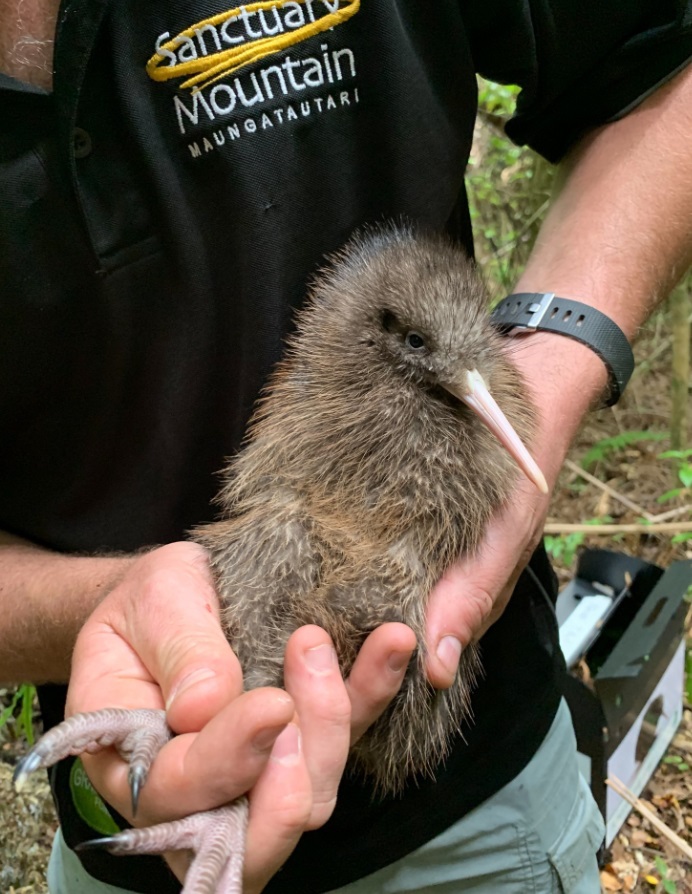
Before a kiwi is translocated, it undergoes a health check, to make sure it’s large enough to deter common predators, not carrying any nasties, and generally well prepared for a stressful time ahead. This health check is an opportunity for members of the public to get closer to a kiwi than any other time.
I was lucky enough to experience this, and we all sat quietly in a semi-circle, trying not to stress the bird, while the trained professionals measured the kiwi and checked its condition. The kiwi was then brought within touching distance of each of us, and we passed around one of the feathers it had dropped that day. We were able to take photos throughout (though no flash).
Translocation from Sanctuary Mountain happens for a month in autumn – my visit was in late April. Out of peak season for most of our visitors, but this year the weather was better (if slightly chillier) than January, the height of our summer.
A downside of these conservation-adjacent encounters is that one sees the kiwi in a very unnatural environment, be that being handled in the light of day, or fresh from the egg.
Nocturnal Houses
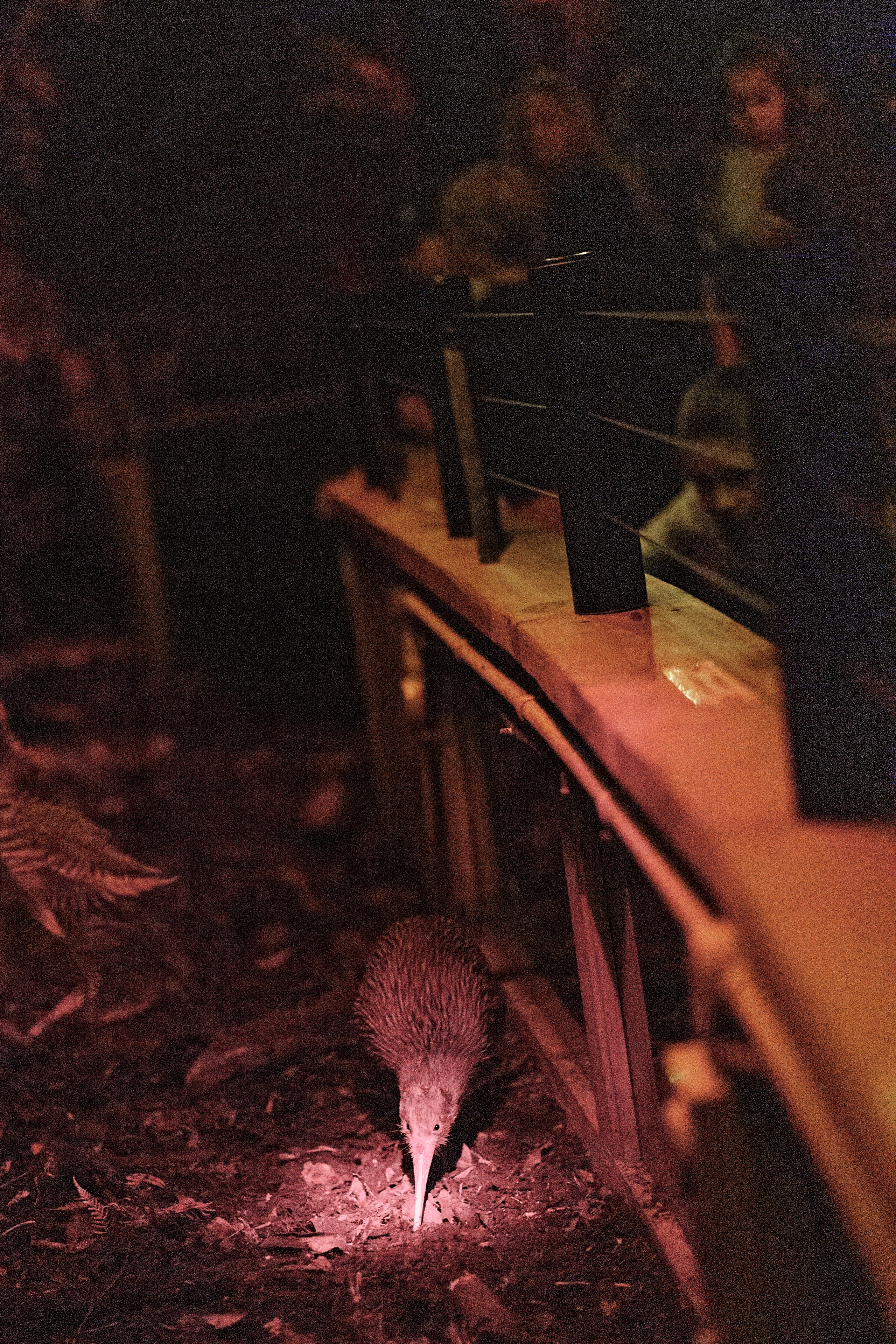 Just like the National Kiwi Hatchery, there are nocturnal houses scattered throughout the country, where you can watch kiwi under red light and learn about them, alongside each nocturnal house’s ethos and contributions regarding the conservation of these birds.
Locations with a good nocturnal house include:
· National Kiwi Hatchery, Rotorua (mentioned above)
· Kiwi Park, Queenstown
· Auckland Zoo (prepare for crowds)
· West Coast Wildlife Centre, Franz Josef
Wild Encounters
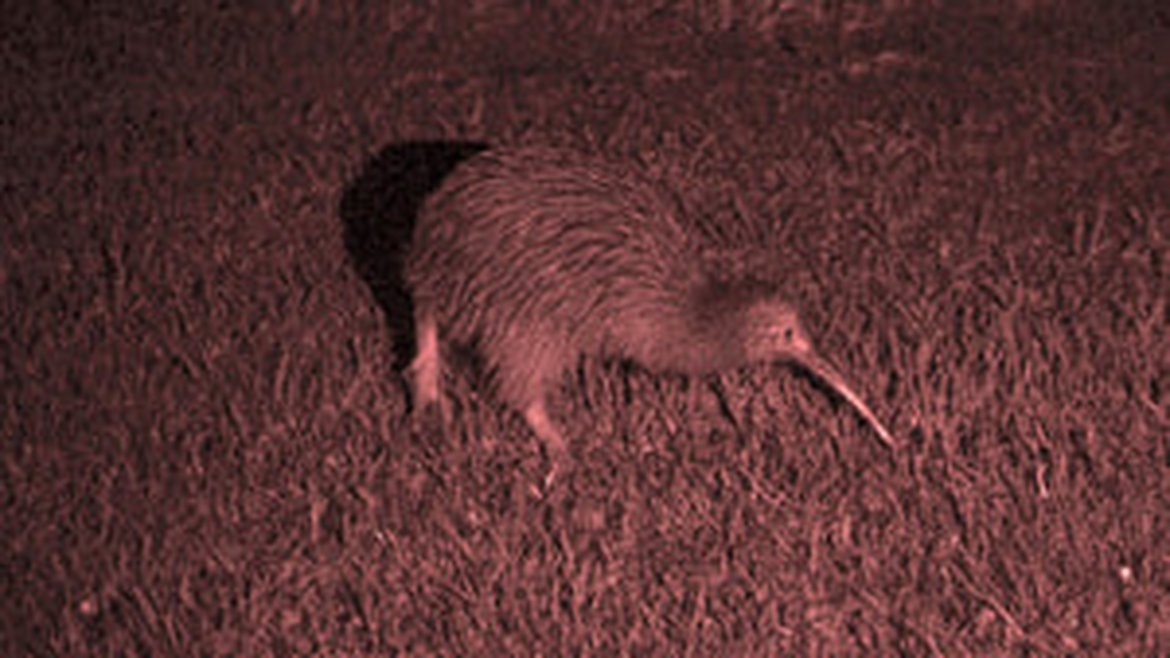
The holy grail for those seeking wildlife is always to chance upon an animal in its natural habitat. For the kiwi, this is going to mean staying up after dark, roaming with red torches, and listening for throaty screeches, the odd trill, or the sound of strong claws scuffling in the dirt.
Northland, north of Auckland, is one key place in New Zealand where kiwi are abundant outside of national parks or large reserves. Here you’ll see “kiwi crossing” road signs, which serve a real practical purpose. For guests staying at The Landing Residences, there is a night-time private kiwi spotting excursion, with a very good success rate.
Stewart Island, south of the South Island, is another brilliant location for a wild sighting. Night-time kiwi spotting tours are successful more often than not. The southern brown kiwi on Stewart Island are also occasionally active during the day, making spontaneous sightings a remote possibility.
If skipping the far north and the far south, the predator-fenced Tāwharanui Regional Park, 1 hour 15 minutes’ drive from Auckland CBD, has a very healthy population of kiwi. Technically, this is a gated sanctuary, but at 588 hectares, the kiwi are living closer to their pre-European wild state than they are in most of New Zealand’s wild places. Night tours are available departing Auckland, also with a very good success rate, though daylight hours and the drive time mean you won’t see your bed until after midnight. Our operator will give you a glass of bubbles to sweeten the deal.
And finally, for those travelling down the west coast of the South Island – you are unlikely to encounter a kiwi, but you may find yourself inundated with Weka, also known as “bush chicken” or “short-billed tourist kiwi”.
Protecting our Kiwi
However you choose to view kiwi, here are some tips to respect these special birds:
· Avoid any light – do not use flash, and exclusively use red-light torches. If you are joining a tour a red-light torch will be provided.
· Be quiet – loud noises and sudden movements are distressing for captive birds, and will scare off any chances for a wild encounter.
· Do not touch the kiwi. Handlers are specially trained to avoid accidentally hurting the birds or stressing them any more than necessary.
· Do not feed the kiwi. They are very adept foragers, and your snacks are bad for them.